
You might spend months building excitement around a production, tour or festival, only for your communications to go quiet once it's over.
It's a familiar challenge in live events marketing, and something we've encountered often through our work with touring companies and seasonal venues at HDK. Activity builds towards an on-sale, reaches its peak during the run, then slows until there's something new to promote. When the next show comes around, you're back trying to capture people's attention.
But just because you don't have tickets to sell doesn't mean you have nothing to say. The time between events is an opportunity to build stronger relationships with your audiences, understand what interests them and give them a reason to stay connected.
So how do you turn someone who attended once into someone who follows your work, recommends it to friends and looks forward to what you're doing next?
The challenge of keeping audiences close
For touring companies and seasonal venues, maintaining those relationships can be particularly difficult.
You might perform in a city once a year, or reach audiences through venues that manage their own ticketing and customer communications. Even when a production is successful, you might have limited contact with the people who attended.
And attending once doesn't necessarily mean someone will return. Spektrix found that 19.5% of first-time bookers in 2022 returned in 2023. That represents a significant opportunity to build on an audience's initial interest rather than starting from scratch with every campaign.
The goal isn't necessarily to turn everyone into a devoted fan. It's to give people reasons to maintain a relationship with your organisation, even when your next production is months away.
Give people something to come back for
People become fans because of what you create. Marketing can't manufacture that connection, but it can help sustain it.
The most obvious opportunity is content. During a live run, you have access to performers, audiences and all the moments that make your work interesting.
Capture more than you need for the immediate campaign. Interviews, backstage footage, rehearsals and audience reactions can all find a second life in the quieter months.
There are also stories worth telling when nothing is happening on stage. Introduce the people behind your work, revisit past productions, share creative processes or join conversations happening across your art form.
These don't all need to become major campaigns. A regular email, a short video or an interesting story from your archive can give audiences a reason to keep paying attention.
Crucially, though, you need somewhere for that interest to go.
Build a relationship beyond social media
Social media is brilliant for discovery and conversation, but followers aren't necessarily people you can reach directly. Algorithms change, platforms come and go, and an audience you've spent years developing can become difficult to reach.
Your website, mailing list and customer relationship management (CRM) system give you more control over how you maintain those connections.
This doesn't mean every organisation needs an elaborate digital platform. Sometimes it's about improving the basics: a clear reason to subscribe, simple forms, relevant content and information that can be used to make future communications more useful.
For organisations ready to go further, there's an opportunity to create something audiences actively choose to revisit.
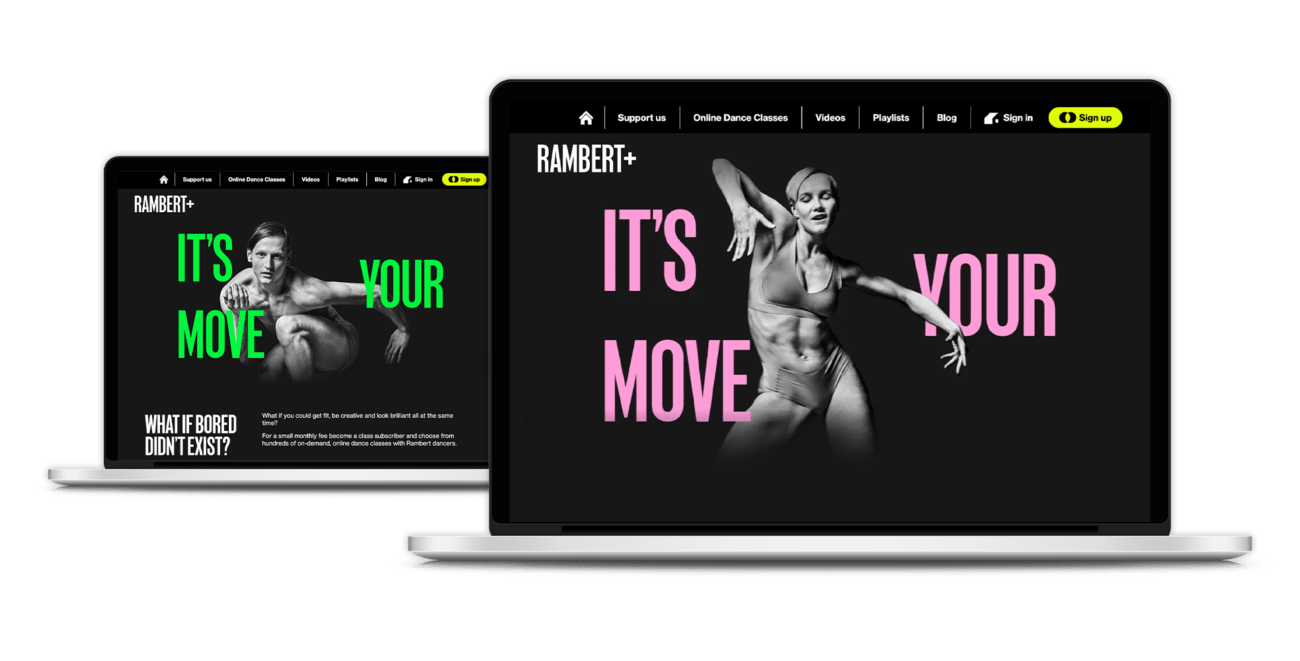
Rambert Plus is an ambitious example. Rather than treating its website purely as somewhere to find performances and book tickets, HDK helped Rambert to develop a digital experience with classes, films and podcasts that audiences can enjoy throughout the year.
The platform has around 25,000 free members. As Rambert's Director of Audiences has explained, its value is relational rather than financial.
What's particularly interesting is what this approach makes possible. When people choose to engage beyond performances, organisations can begin to understand their interests and use those insights to shape more relevant communications.
Instead of only knowing that someone bought a ticket, you can begin to build a clearer picture of what makes them interested in your work.
You don't need a bespoke platform
Of course, not every organisation has the resources to develop something like Rambert Plus.
Dance Umbrella offers a different example of how relatively straightforward improvements to the digital experience can help strengthen audience relationships.
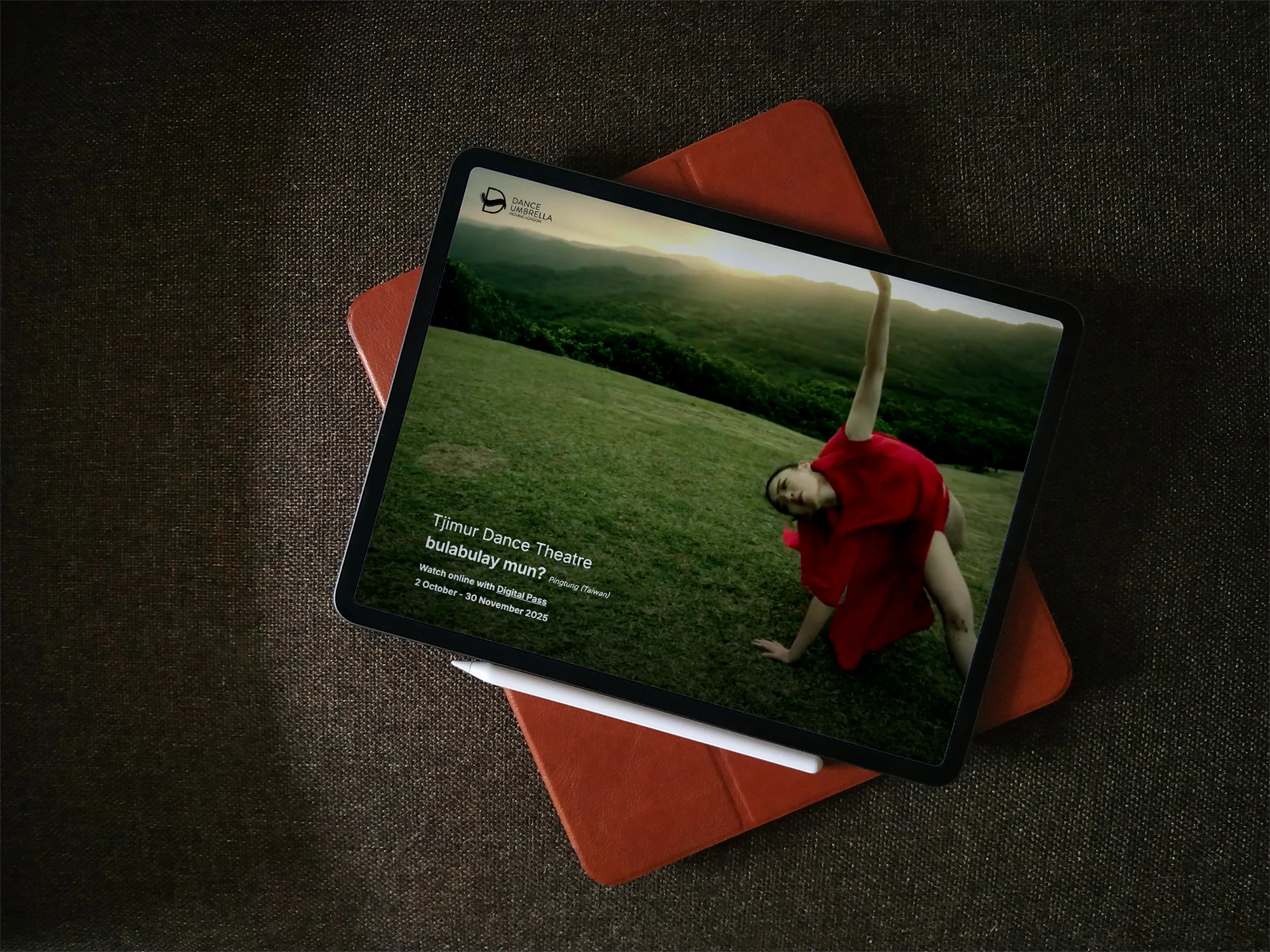
Dance Umbrella's Digital Pass offers curated online programming alongside its live festival, giving audiences another way to engage with its work. It also helps the organisation build direct relationships with audiences, particularly important when venues manage ticketing for its live performances.
On top of this, HDK supported Dance Umbrella in improving its booking journey and connecting customer information through a new CRM. Following these changes, the proportion of pass purchasers who also made a donation increased from 5% to 35%.
It's a useful reminder that improving the relationship with your audience doesn't always mean producing more content or investing in major new technology. Sometimes the biggest opportunities come from making existing interactions easier and more valuable.
Make the next on-sale feel like a reward
The real benefit of building these relationships becomes clear when there's something new to promote.
If audiences have stayed engaged with your organisation, your next campaign doesn't have to begin with an introduction. They've already seen the work you're creating, heard from the people involved and developed a sense of what to expect.
You can also make that relationship feel worthwhile. Early booking windows, subscriber-only offers and exclusive experiences can give people a reason to stay connected. For example, alongside its famously enthusiastic fan community, Operation Mincemeat offers ticket lotteries and opportunities for subscribers to access particular tickets.
For touring companies and seasonal events, the benefits extend beyond priority booking. A connected audience database can help you understand where interest is strongest, which content resonates and who might be interested in particular productions.
That knowledge can shape where you focus your advertising, how you tailor your messages and when you spend your budget.
Rather than putting everything behind the initial announcement, you can plan activity across the booking period, including the crucial final weeks before a performance.
Where to start
You don't need to transform your entire digital presence to make progress. There are opportunities at every budget.
Start small: Make it easy for audiences to subscribe to a newsletter, particularly while they're engaging with a production. Build a bank of content during the live period and plan how you'll use it between shows. Keep sharing content during quieter months to maintain connections with existing audiences and help new people discover your work.
Build on what you have: Review how your website, ticketing and CRM systems work together. Are you capturing useful information with appropriate consent? Can you identify what different audiences are interested in? Could a simple digital pass or unique membership offer give people another reason to engage?
Think bigger: Consider whether there's an opportunity to create a dedicated digital experience that extends your work beyond the stage, with content, activities or experiences that audiences can return to throughout the year.
The right approach will depend on your organisation, your audiences and the resources available.
But the principle remains the same. Every production or event is an opportunity to begin a longer relationship, not just make a sale.
So when the final curtain falls, don't disappear until the next on-sale. Someone in that audience might be ready to become a fan, if you give them a reason to stay.
Written by Bella Richards
Digital Marketing Manager at HDK
a digital agency specialising in arts, culture and heritage.
On Sale Live: The Experience Economy Expo
The annual confex where the experience economy’s marketing, sales and ticketing community gathers. On Sale Live: The Experience Economy Expo is where the peer relationships and cross-sector conversations described in this guide happen in concentrated form. Built for professionals who are accountable for commercial outcomes across ticketed live experiences.
More from On Sale Group
On Sale Live: The Experience Economy’s annual marketing and ticketing expo: onsale.live.
Specialist training in experience economy marketing and commercial frameworks: theGIEM.com.
The experience economy’s annual marketing and ticketing expo: onsale.live/experience-economy-expo.