
Best Experience Marketing Conferences to Attend in 2026
INTRODUCTION
The experience marketing conference landscape in 2026 is fuller than it has ever been.
That is good news in one sense. The sector is being taken seriously. There are more events, more content, more opportunities to connect with people working across the same territory.
It is also a problem. Not every event on the calendar is built for the specific commercial reality of marketing and selling ticketed experiences. A lot of content that appears relevant turns out to require significant translation. You can spend two days at an impressive-sounding event and come back with a notebook full of ideas that do not map onto your actual job.
This guide is for marketing and sales professionals working across the experience economy: theatre, immersive entertainment, visitor attractions, festivals, live music, consumer events and everything adjacent. It covers the conferences worth building into your 2026 calendar, what each one actually delivers and how to think about where your professional development time is best spent.
How to evaluate a conference before you commit
Most conference decisions are made on reputation, location or who else in the team is going. None of those are the right criteria.
The questions that give you better information:
Who is in the room? Are they working on the same commercial problems you are, or a version of the job that looks similar but is structured differently?
What is the speaker selection telling you? Are practitioners from the sector on the programme, or is it primarily consultants and commentators?
Does the content start from your context? Or does it require you to translate generic frameworks into a world they were not built for?
What is the peer networking quality like? The conversations between sessions often matter more than the sessions themselves.
What will you be able to apply on Monday morning?
With those criteria in mind, here is where to focus in 2026.
On Sale Live: The experience Economy expo
Website: onsale.live
Location: London
Who it is for: Marketing, sales, ticketing and communications professionals across the experience economy
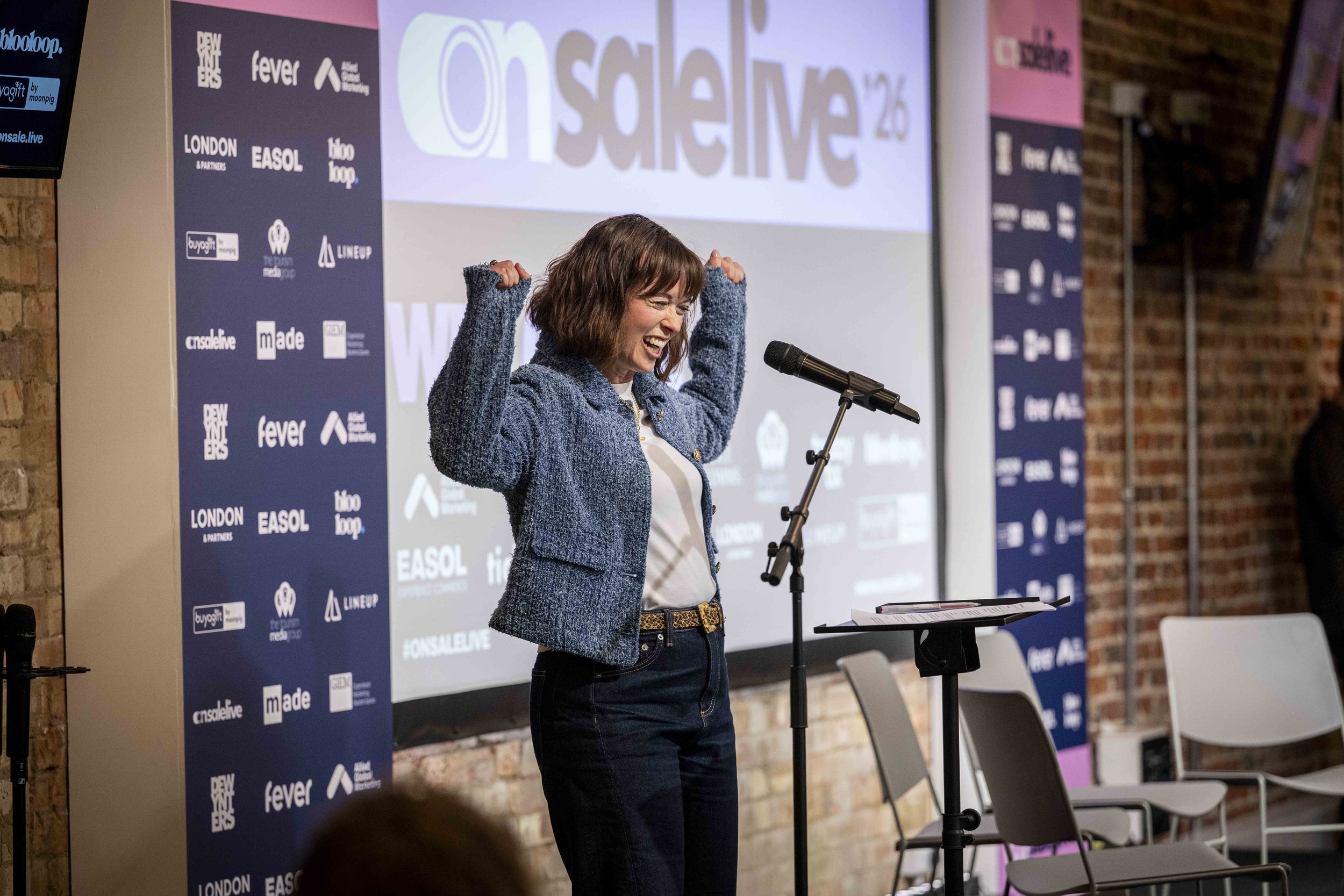
On Sale Live: The Experience Economy Expo is the starting point for this list because it is the only event built entirely around the commercial reality of marketing and selling ticketed experiences.
The programme reflects that specificity. On sale campaign strategy. Booking window behaviour. AI-driven discovery and how it is changing the way audiences find experiences. The value of earned media and user-generated content in a world of paid media saturation. These are not themes borrowed from adjacent sectors and applied here. They are the working concerns of the professionals in the room.
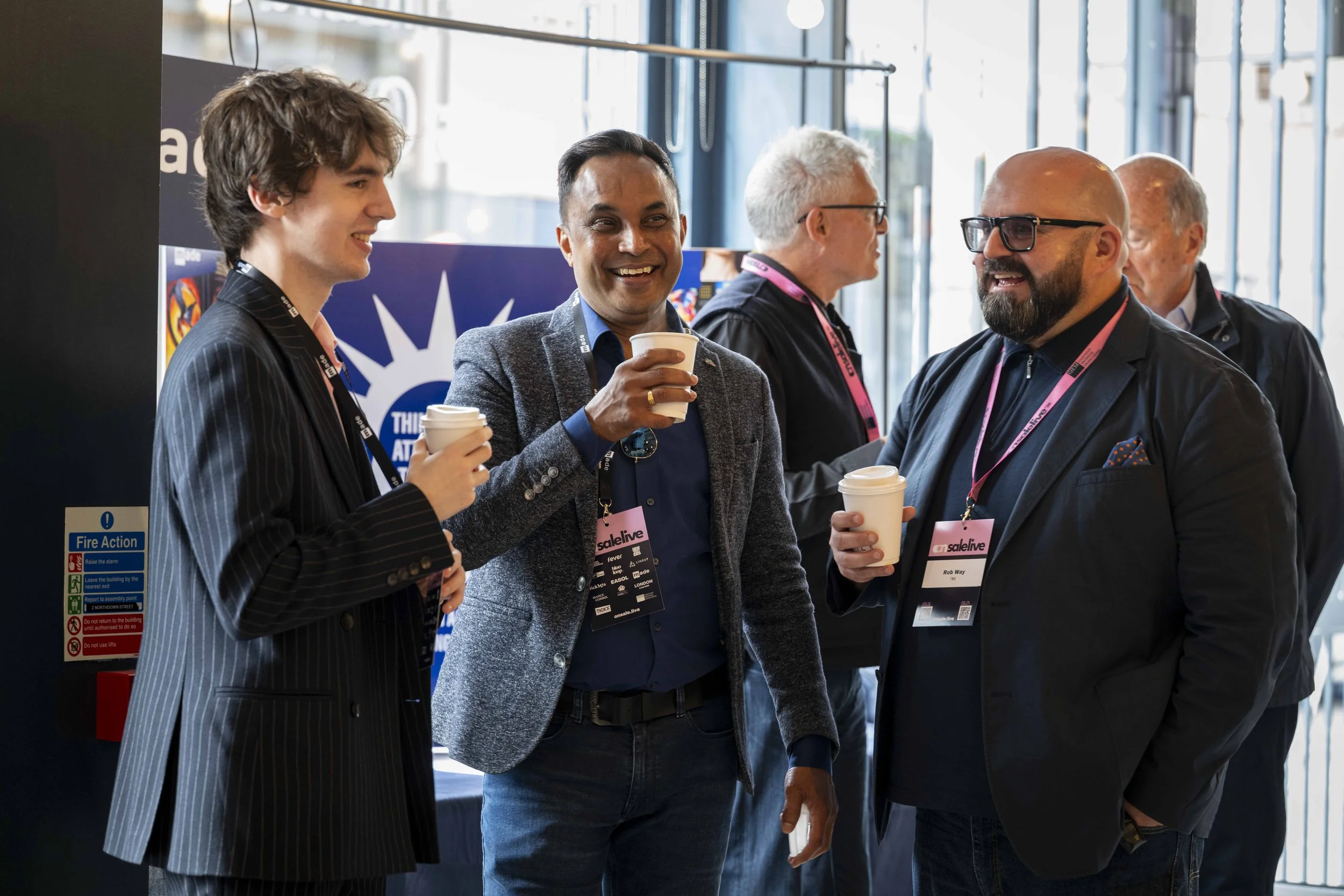
The 2026 edition drew over 200 senior marketing and sales leaders from across theatre, immersive entertainment, visitor attractions, festivals and live music. The format creates space for genuine conversation rather than passive consumption. Main stage sessions are substantive. The expert zone allows for smaller, more focused discussions on specific topics.
What makes On Sale Live: The Experience Economy Expo distinctive is not just the content. It is the quality of the peer connection. When everyone in the room is working on a version of the same problem, the conversations between sessions are as commercially useful as the sessions themselves.
Attendance is worth planning for in advance. Details and registration at onsale.live.
GIEM Experience Marketing Masterclasses
Website: theGIEM.com
Location: London (in person, cohort-based)
Who it is for: Marketing and sales managers in the experience economy seeking structured professional development
The GIEM is not a conference in the traditional sense. It belongs on this list because the question of where to develop your skills and where to attend events are connected, and the GIEM fills a gap that no conference, however good, can fill on its own.
A conference gives you current thinking, peer exposure and a sense of where the sector is heading. The GIEM gives you the frameworks, strategy and applied skills to act on what you learn. On sale campaign structure. Commercial literacy applied to marketing decisions. Audience psychology. Digital skills built specifically for the context of selling ticketed experiences. AI-driven search and how to structure content to appear in it.
The cohort model matters here. You are working through the curriculum alongside peers from across the experience economy, which means the case studies are relevant and the peer learning is genuine. It is sector-specific professional development rather than generic training that requires translation.
If you are building out a development plan for 2026, it is worth looking at how the GIEM sits alongside the events in this list rather than separate from them. Full details at theGIEM.com.
Marketing Week Live
Location: London
Who it is for: Broad marketing audience across sectors
Marketing Week Live is one of the largest marketing events in the UK calendar. The scale means a high volume of content across multiple tracks, a significant exhibitor floor and a broad speaker lineup that covers everything from brand strategy to performance marketing to emerging technology.
For experience economy professionals, the value is selective. The core digital marketing content, paid search, social strategy, email, analytics, is solid and worth engaging with even when the case studies are not from your sector. The technology and platform landscape sessions are useful for understanding what is emerging before it reaches the experience economy specifically.
The translation work is real, though. If you attend expecting content built around perishable inventory, fixed campaign windows and the commercial model of ticketed experiences, you will need to do significant work to connect what you hear to what you do. Go in with targeted objectives and a specific list of topics to track down rather than trying to cover everything.
Festival of Marketing
Location: London
Who it is for: Senior marketing leaders across sectors, with strong creative and brand content
The Festival of Marketing sits at the brand and creative end of the marketing spectrum. The speaker quality is consistently high and the sessions on audience behaviour, cultural relevance and brand-building are often genuinely useful for experience economy professionals thinking about the longer game.
The commercial and ticketing specifics of the experience economy are largely absent from the programme. But if your development need in 2026 is around brand thinking, audience insight and how experiences connect to culture more broadly, there is real value here.
The format encourages exploration across tracks rather than following a single thread. That works well if you have clear objectives. It can feel unfocused if you do not.
Venues Now Marketing Summit
Location: United States (various locations)
Who it is for: Marketing and ticketing professionals in arenas, venues and live entertainment
For professionals working in arena events, large-scale live music or major venue environments, the Venues Now Marketing Summit is one of the most commercially focused events in the international calendar. The content is specifically built around the business of selling tickets and building audiences for large-scale live experiences.
Pricing strategy, dynamic inventory, sponsorship integration and digital channel performance are all part of the programme. The US context means some elements require translation for a UK or European audience, but the commercial frameworks are substantially transferable.
If your role sits within the larger end of the live entertainment market, it is worth tracking. More information at Venues Now.
AEO Exhibition and Events Industry Summit
Location: London
Who it is for: Exhibition organisers, consumer events teams and experience-led event businesses
The Association of Event Organisers summit covers the commercial and operational side of exhibitions and consumer events. For experience economy professionals whose work intersects with consumer events, exhibitions or large-scale attractions, the content on audience acquisition, visitor journey and commercial performance is directly relevant.
The sector focus is narrower than broader marketing events, which is both its limitation and its strength. The conversations are specific to organisations that measure success in footfall, ticket revenue and visitor satisfaction.
Details at aeo.org.uk. Worth tracking if consumer events or exhibitions sit within your remit.
How to build your 2026 conference calendar
The professionals who get the most from conferences are those who treat them as part of a broader development strategy rather than one-off events. A useful framework for thinking about this:
Anchor with the sector-specific
Events built around your specific commercial context deliver immediate applicability. On Sale Live is the anchor for experience economy professionals for exactly this reason. Everything you hear maps directly onto your working reality without translation.
Layer in the adjacent
Events from broader marketing, technology or cultural sectors offer a different kind of value. They surface ideas earlier, expose you to thinking from outside your immediate peer group and sometimes identify approaches that the experience economy has not yet adopted. The translation work is real but worthwhile when done selectively.
Use structured development to connect the dots
Conferences are good for current thinking and peer connection. They are less effective at building systematic capability. Pairing event attendance with structured professional development, through something like the GIEM masterclass, means you have a framework to apply what you hear rather than accumulating ideas with no clear home for them.
Be selective about volume
More events is not always better. Two or three conferences where you engage deeply and build genuine relationships will consistently outperform six where you attend sessions and exchange business cards. Quality of attention matters more than quantity of attendance.
The bottom line
The experience economy has its own commercial logic. Perishable inventory. Fixed booking windows. Audiences who make decisions socially rather than individually. Campaigns where urgency is real.
The conferences that serve you best are the ones that understand that logic and build content around it. Some on this list do that completely. Others offer genuine value in specific areas. Knowing the difference before you commit your time is what makes the difference between a conference calendar that builds your capability and one that just keeps you busy.
The experience economy marketing community is worth investing in. The conversations happening at the right events, and in the peer networks they generate, are where the sector is thinking through its hardest commercial problems. Being in those rooms is a real advantage.
Written and published by Dawn Farrow
Plan your 2026 development
On Sale Live: The Experience Economy Expo is the annual expo for marketing, sales, ticketing and communications professionals across the experience economy. Built around the commercial realities of selling ticketed experiences, with a programme and peer community to match. Find out more at onsale.live.
For structured professional development that sits alongside event attendance, the GIEM Experience Marketing Masterclasses deliver the sector-specific frameworks and applied skills that conferences alone cannot provide. Full details at theGIEM.com.
Sector thinking and consultancy from Dawn Farrow: dawnfarrow.com.