
What Is the Experience Economy?
INTRODUCTION
You have probably heard the phrase more than once. Sometimes it refers to a broad shift in how consumers spend their money. Sometimes it is used loosely to describe anything immersive, memorable or Instagram-worthy. Neither use is quite right.
For those of us who work in it professionally, the experience economy is more specific than either of those descriptions suggests. It is worth defining it properly, because the definition shapes everything that follows, including how you market, how you build audiences and how you run a commercially sustainable organisation within it.
A working definition
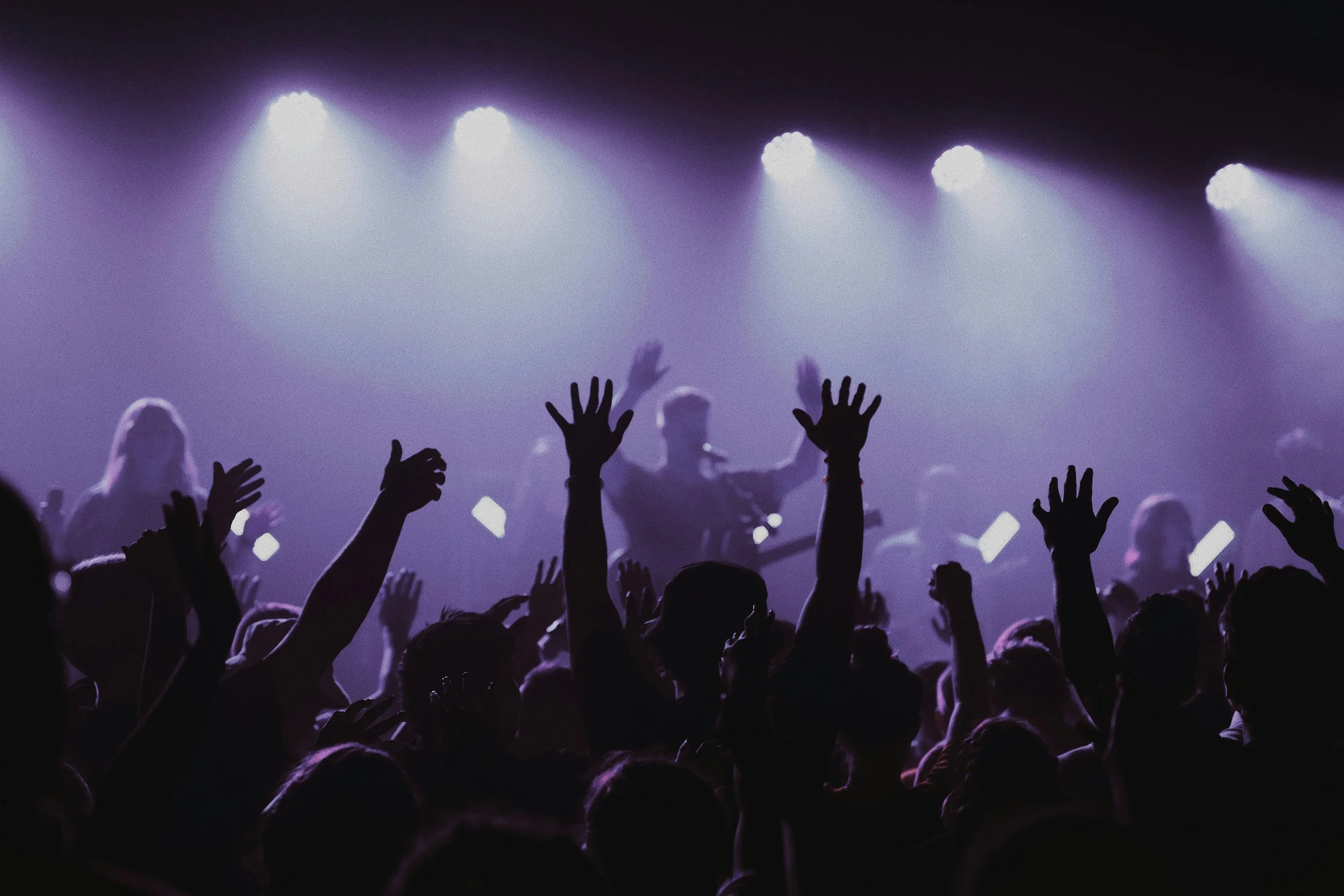
The experience economy is the commercial sector built around ticketed, time-bound experiences. That includes theatre, live music, festivals, immersive entertainment, visitor attractions, exhibitions, location-based entertainment and consumer or trade events.
The phrase itself was popularised by economists B. Joseph Pine II and James H. Gilmore in the late 1990s, who argued that experiences had become a distinct economic offering, separate from goods and services. Their point was that customers were increasingly paying not just for what they received but for how it made them feel and what it allowed them to participate in.
That insight has aged well. Consumer spending on experiences has grown consistently, and the sector now spans everything from a 200-seat regional theatre to a global immersive IP selling hundreds of thousands of tickets across multiple territories.
What makes it commercially distinct
The experience economy is not a niche of leisure, tourism or entertainment. It is its own commercial category with its own logic, and that logic is different from most others in one fundamental way: the product is perishable.
Every seat, every timed-entry slot, every performance date is a finite, non-renewable asset. Once the curtain goes up or the doors open, any unsold inventory is simply gone. That lost revenue cannot be recovered. There is no restocking, no extended campaign window, no clearance sale on last season's tickets.
This changes how every commercial decision gets made. Pricing, campaign planning, yield management, the timing of communications, the use of urgency and scarcity signals: all of it is shaped by the fact that the clock is always running and the window always closes.
Why standard marketing frameworks do not always fit
Most marketing training and most commercial strategy frameworks are built around scalable products. Run out of stock? Order more. Campaign underperforms? Extend the window. Audience drops off? Retarget them next month.
That logic simply does not apply here. A marketer who understands yield management, booking window behaviour and the emotional arc of a live experience purchase will consistently outperform one applying a generic conversion funnel to a fundamentally different commercial structure.
The sector has its own vocabulary, its own platforms, its own benchmarks and its own campaign rhythms. On sale strategy, early bird mechanics, dynamic pricing, cart abandonment flows, structured data for event discovery: these are not optional extras. They are the operational foundations of a well-run marketing function in the experience economy.
For a deeper look at how this plays out in practice, the piece on how to sell more tickets covers the campaign fundamentals in detail.
How audiences make decisions
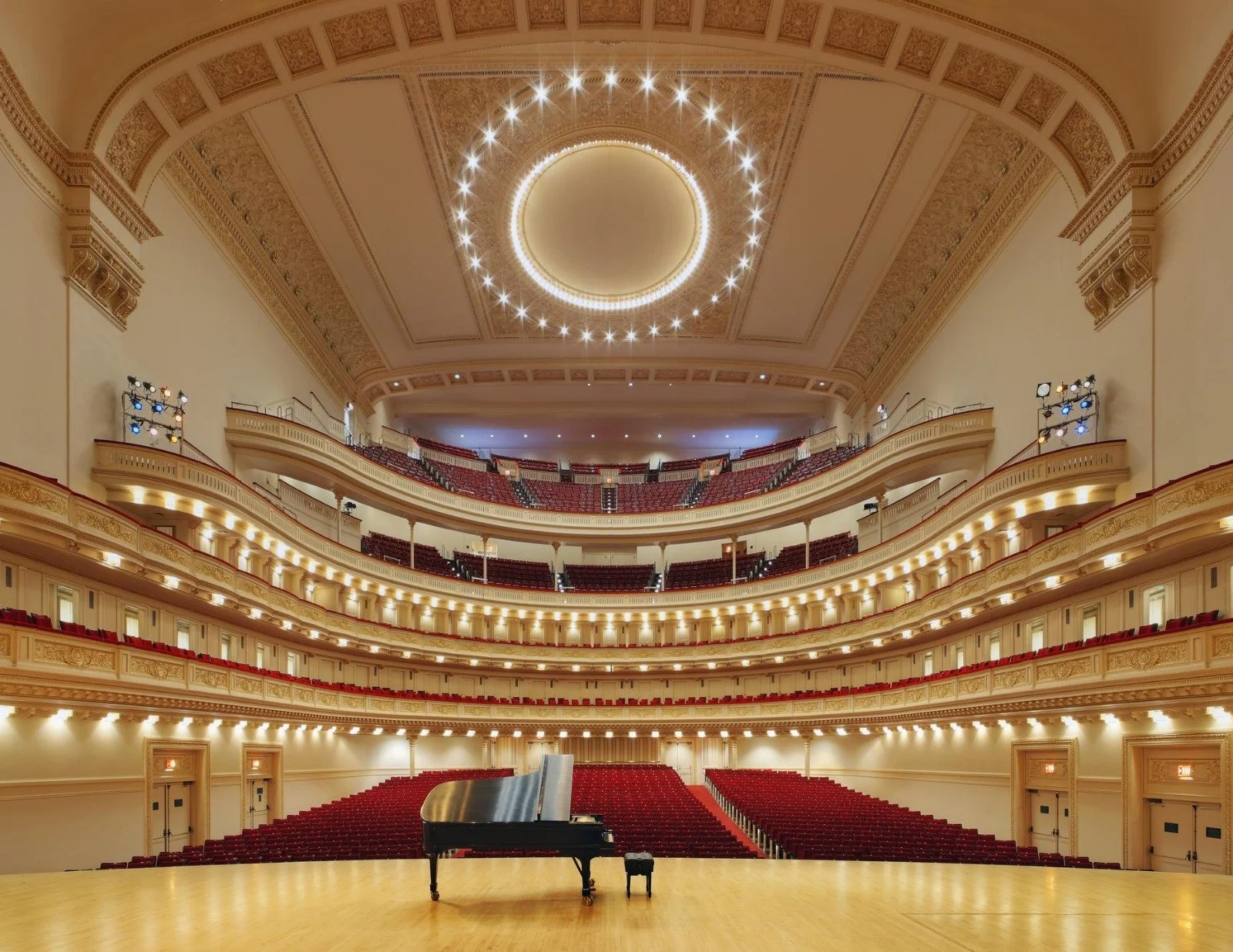
The decision to attend a live event is rarely rational and almost never solitary. It involves other people. It takes time. It carries emotional weight and often says something about who the buyer is or wants to be seen as.
People are not booking tickets the way they add items to an online basket. They are negotiating dates with friends, weighing up cost against occasion, responding to what they see others doing. Word of mouth, social proof and peer recommendation are not supplementary to your marketing mix in this sector. They are central to it.
The emotional arc of a live experience also extends well beyond the purchase. It starts when someone first hears about an event and continues through anticipation, attendance, memory and the desire to book again. Campaigns that understand and work with that arc build the kind of loyalty that fills houses not just once but over time.
This is explored further in what is experience economy marketing and why it is different from everything else.
The professionals who make it work
Behind every theatre season, festival run, immersive experience and live event is a workforce of marketing managers, sales leads, ticketing professionals, communications teams and audience development specialists. These are revenue-driving professionals operating in a demanding commercial environment, not enthusiasts who happen to work in culture.
Their skills are specific. Their challenges are specific. And the development infrastructure available to them has, until recently, been consistently thin. That is changing. The sector now has its own training, its own professional events and a growing body of practice that is being properly documented and taught.
For marketing and sales managers who want to develop within this sector, the live events marketing career guide maps the skills that matter and where to build them.
Where the sector is heading
The experience economy is growing at speed. Consumer appetite for live, time-bound experiences has proven resilient and, in many segments, is expanding. The competitive pressure on operators to market well, build loyal audiences and manage yield intelligently is increasing alongside it.
AI-driven search is also changing how audiences discover events, which creates both a challenge and an opportunity for organisations that engage with it seriously. Structural changes in digital behaviour, from social discovery to answer engine results, are shifting the landscape fast enough that staying current requires active engagement rather than periodic catch-up.
The professionals and organisations who invest in genuine sector expertise now are building an advantage that compounds over time.
Go deeper
The three pillar resources for anyone working in or building expertise within the experience economy:
Marketing, sales and strategy for the experience economy The On Sale Group ecosystem exists specifically to serve the marketing, sales, ticketing and communications professionals of the global experience economy. Learn tactical strategies to sell more tickets. Join us at On Sale Live: The Experience Economy Expo- MAY 2027
Specialist training for marketing and sales managers The GIEM masterclass is built around the real commercial pressures of live event marketing. Sector-specific, practically focused and immediately applicable. Explore The GIEM professional development program
Commercial strategy and consultancy for organizations looking to connect brand to commercial performance and build the capability that sustains it. Visit dawnfarrow.com for Consultancy and strategic advisory.
Written and published by Dawn Farrow’
ON SALE LIVE: THE EXPERIENCE ECONOMY EXPO | onsale.live