
How Marketing for Live EntertainmeNt and Ticketed Events Differs from brand marketing
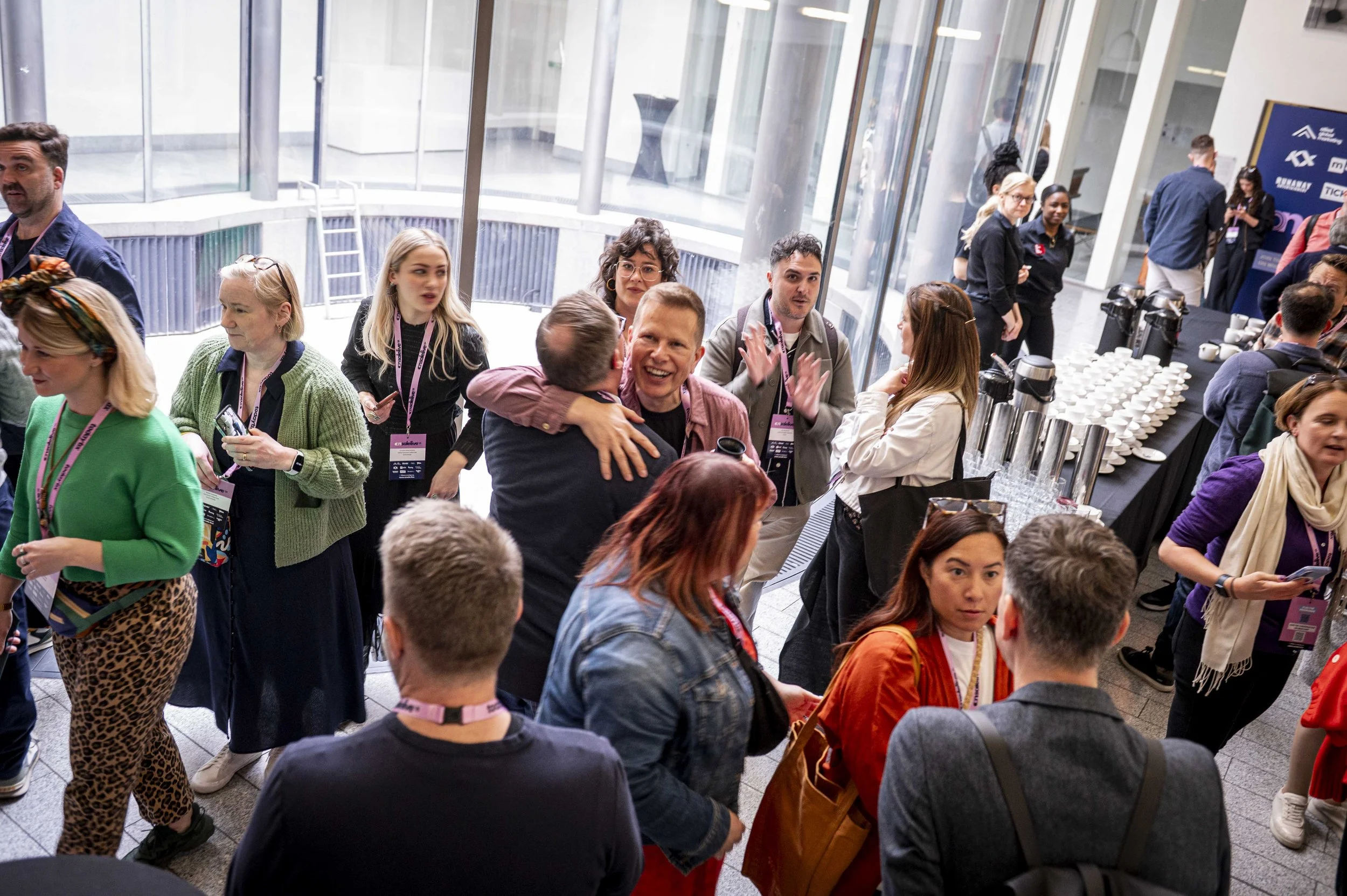
INTRODUCTION
You've probably sat through a marketing workshop and spent half of it mentally translating generic advice into something that actually applies to your world in the live ticketed experience economy. Conversion funnels designed for SaaS. Evergreen content strategies for e-commerce. Customer lifetime value models built for subscription boxes of loo roll.
If you work in theatre, festivals, immersive experiences, location-based entertainment or any other ticketed live event or expeience, you know the feeling: brand marketing isn't built for you.
Live entertainment has its own commercial logic, its own audience psychology, and its own campaign rhythms. Once you understand how it differs, you can stop trying to force a square peg into a round hole and start building strategies that actually fit.
FINITE INVENTORY
Most products can be restocked (and quickly). If demand spikes for a particular item, a retailer orders more. If a SaaS platform sees a surge of sign-ups, the infrastructure scales. But ents, events and experiences do not work that way. Every seat, every standing space, every table, every timed-entry slot is a finite, non-renewable resource and once the curtain goes up or the timed entry begins, any unsold inventory is simply gone. ‘Lost revenue’.
SEATS AND CAPACITY
SEATS aren't just units, they're tiered (sometimes demand generated) revenue. A stalls seat, a premium package, and a restricted-view ticket all represent different yield potential. Your pricing and promotion strategy has to work across all of them simultaneously and the P and L is ultimately using seats as their main source of revenue (with merchandise, F & B and sponsorship in addition). Seats are however the currency that as marketers we work most with to maximise revenue.
TIMED ENTRY
For immersive events and exhibitions, you're selling the experience but through a ticketing strategy you’re also trying to distribute demand across time slots (frequently with not enough availability at sometimes of the week and too much availability at others). Ticketing and marketing teams need to understand not just how to sell, but how to shape buying behaviour across different time windows, nudging early arrivals, filling shoulder periods and to support the on-site operations team as part of this management.
REVENUE PER SEAT
Revenue per seat matters as much as volume. The goal isn't just to fill every seat, it's to fill every seat at the right price. Yield management and audience development have to work together from the moment tickets go on sale. This is a unique and frequently full-time roll within the marketing function.
URGENCY AND SCARCITY
Urgency is often real and sometimes manufactured (though this is a fine line). When we say '80% sold', that's not really designed as a copywriting trick, it's a signal that you need to hurry up (FOMO still works). The best live event marketers know how to communicate scarcity in a way that creates excitement rather than panic, and that rewards early buyers rather than making them feel punished.
EMOTIONAL DECISION MAKING - PEOPLE DON’T BOOK TICKETS LIKE THEY BUY…BATTERIES
The decision to attend a live event or experience is rarely rational and almost never solitary. It's complicated decision making that’s often bound up with identity, social connection, and the desire to be part of something.
Think about the last time someone asked you to go to a show. The conversation that followed, the negotiation over dates, the checking of ticket prices and availability, the shared excitement once you'd committed. That's both consumer behaviour and arguably part of the product delivery and that’s before anyone's set foot inside a venue. It’s also why frictionless payments and booking flows are so crucial. Make it hard and that’s a reflection of the events or experience itself.
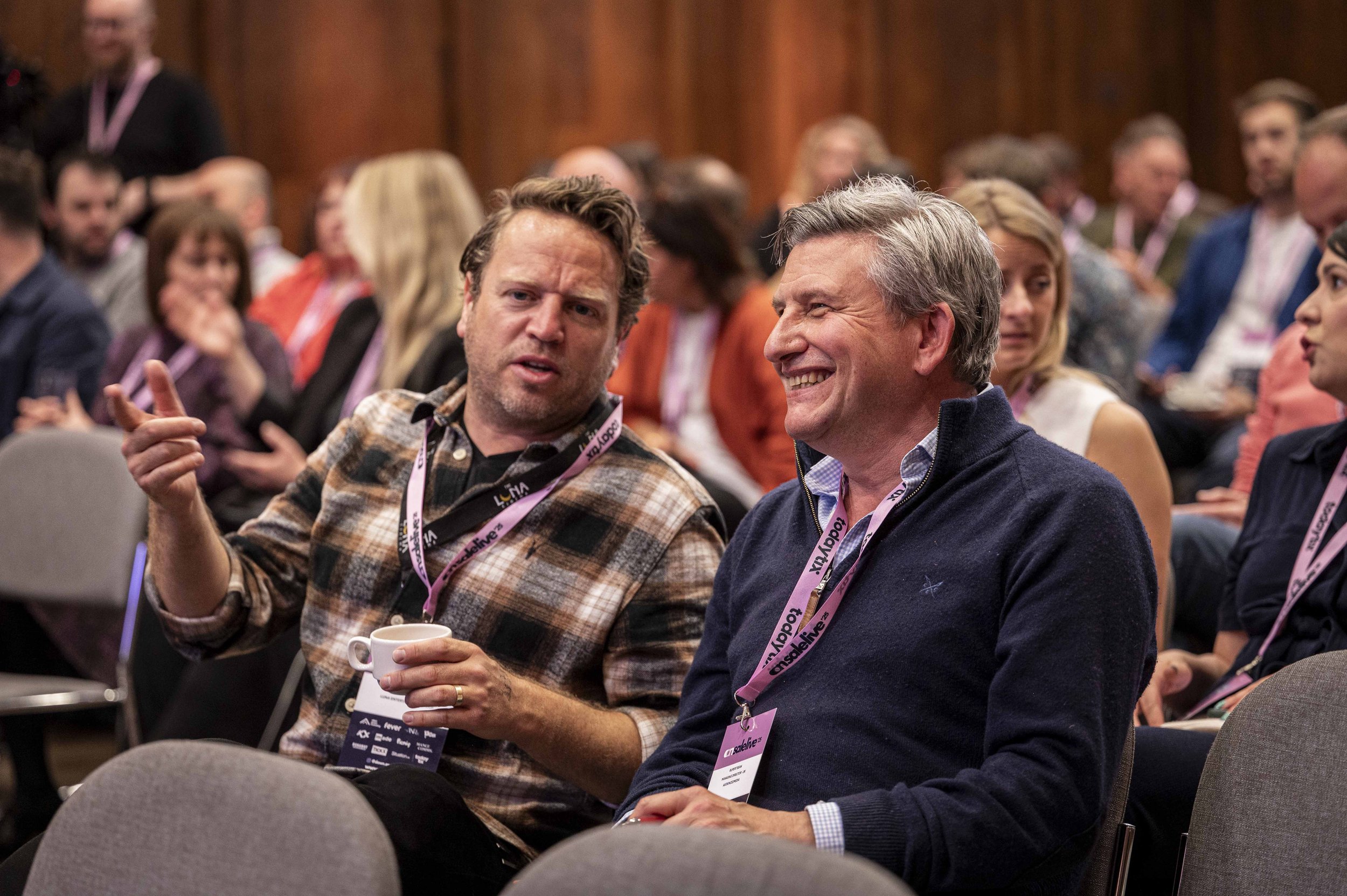
Live event purchases work differently.
IT’S ABOUT WHO YOU ARE
People buy tickets but they also buy identity (and bragging rights).
The event says something about them, their taste, their values, their crowd.
Market the feeling, not just the facts.
It’s rarely a solo decision.
Most people attend with others.
So you’re not converting one buyer, you’re sparking a group decision.
Word of mouth is an essential part of the marketing mix.
It’s emotional and fleeting.
Interest can disappear fast.
The jump from “That looks good” to “I’m in” is fragile.
Hit the right emotion, at the right time, in the right place and then make it easy to book (and then make sure you have cart abandonment in place to capture them when they are mid-way through the purchase and get distracted).
WHY THIS REQUIRES SPECIALIST MARKETING EXPERTISE
None of the above means brand marketing knowledge is useless, it's a solid foundation especially in relational to technology and advertising formats. But the structural features of ents, events, arts, culture and experiences create a professional knowledge gap that generic training is not able to support.
Our sector has its own vocabulary, its own benchmarks, its own platforms, and its own evolving best practices around everything from dynamic pricing to audience segmentation. Staying current means being part of a community that's wrestling with the same challenges day in and day out.
ON SALE LIVE
A Conference Built for the Sector
Learn strategies from peers at On Sale Live’26. For professionals working at the intersection of live events, experiences and marketing technology, the On Sale Live (live entertainment marketing conference) brings together marketers, ticketing specialists, communications professionals, producers and venue operators to share knowledge, explore emerging tools, and address the real-world challenges and opportunities of selling ticketed experiences. See how these differences impact revenue strategy
GIEM
Sector-Specific Training That Goes Beyond the Basics
Master these differences with the GIEM. For structured professional development and training that understand the sector and starts with this as the foundation, the marketing masterclass for ticketed events professionals offered by GIEM is built around the real commercial pressures of live event marketing, finite inventory, emotional audiences, time-bound campaigns, AI optimisation in search and the specific dynamics of building loyal bookers. It's training that can be used immediately when you’re back at your desk.
Written and published by Dawn Farrow’
ON SALE LIVE | onsale.live